From Jerusalem With Light: How Jewish Heritage Sparks Modern Art’s Bold Glow
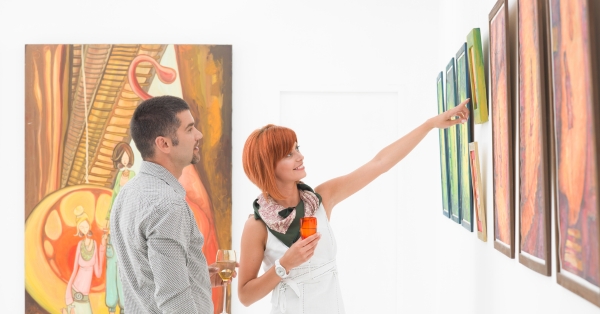
There’s a certain glow that seems to follow Jerusalem wherever its stories travel, and artists keep finding new ways to paint with it. The city’s layered past, its stones, and its songs drift into studios far beyond its hills, shaping color choices, textures, and daring concepts. Contemporary creators are remixing heritage with playful confidence, turning memory into something fresh and fiercely present. The result is modern art that feels both timeworn and brand-new, like sunlight catching the edge of an ancient wall at a surprising angle.
Jerusalem’s Glow in Contemporary Palettes: Jewish Heritage in Color
The way Jerusalem’s light slips across limestone sets a mood artists love to chase, even from oceans away. Soft golds, dusty roses, and shadows cooled by desert air become a kind of visual vocabulary that translates beautifully into contemporary palettes. Many painters lean into this atmosphere to build subtle gradients, translucent veils, and layered glazes that echo twilight prayers and market bustle. The city becomes less a place on a map and more a tone a viewer can almost feel on the skin.
That resonance shows up in work that pairs luminous color with textured ground, where pigment grabs onto grit like ivy on old stone. Some collections even read like travel diaries in paint, stitching together alley echoes, open-door hospitality, and overhead doves into one generous canvas. In that spirit, galleries featuring contemporary interpretations, including selections reminiscent of huvy paintings, demonstrate how light can be both subject and storyteller. Light is not just illumination here; it’s the narrative thread running through modern explorations of place and belonging.
Beyond color alone, artists treat luminance as a tactile idea, building it into surface and rhythm. Gold leaf might be burnished until it whispers rather than shouts, while matte grounds make bright passages pop like sunrise over stone. Photographers chase the same vibe with long exposures and reflective materials that sculpt air into shape. Across media, Jerusalem’s glow becomes an active collaborator, guiding choices that merge atmosphere with emotion.
Heritage Motifs, Fresh Mediums: Symbols Reimagined
Motifs like pomegranates, ladders, and letters slip out of history books and into contemporary sketchbooks with unexpected vitality. A hamsa isn’t merely a symbol; it turns into a compositional anchor, a negative space, or a playful repeat pattern. Hebrew typography becomes geometric architecture, stretching and bending into sculptural forms that balance elegance with grit. Old-world references don’t sit behind glass here; they walk into the present and try on new shoes.
Here are materials artists are joyfully mixing to reframe familiar symbols:
- Handmade paper fused with metal leaf for a glow that feels both ancient and streetwise.
- Textile appliqué that lets motifs wander beyond the canvas edge and onto space itself.
- Ceramic glazes layered like weathered walls, encouraging cracks that read like timelines.
- Projection and light mapping that set motifs in motion, turning ritual into choreography.
What makes these media so compelling is the way they stretch tradition without snapping it. A pomegranate can become a pixel map, and still the viewer tastes sweetness and seed-counting patience. Fiber artists stitch borders that suggest both prayer shawls and city grids, collaging faith and daily life into one grounded surface. The symbols remain legible, but their meanings widen, making space for personal stories to breathe.
This is not nostalgia; it’s curiosity with good manners. The work asks how memory might look under LEDs, on raw linen, or in clay fired three times for a soft, moonlit sheen. Artists test the edge where reverence becomes experimentation, learning when to lean in and when to leave space. In that balance, heritage becomes a toolkit for invention, not a script to follow word for word.
Artists Reimagining Memory and Place: Intimate Narratives
Here are ways creators translate memory into living, modern form: Many start with small rituals—lighting a candle, tracing a letter—so that the process itself becomes part of the piece. Others anchor memory in place, collecting fragments like ticket stubs, spice wrappings, or snippets of newsprint to embed into grounds. Some turn to sound, letting hums and recorded chants ripple through installations. The throughline is simple: memory works best when it’s allowed to breathe and change.
- Mapping a childhood street in thread, then painting over it, so the remembered path glows through.
- Layering family recipes into collage, where ingredients double as color notes and textures.
- Pairing archival photos with contemporary portraits to spark a conversation across decades.
- Building small altars of everyday objects, turning daily rhythm into living sculpture.
By reimagining place, artists invite viewers to stand in two times at once. A gallery corner can feel like a courtyard, and a bench can double as a threshold between city and sanctuary. Visitors begin to notice tiny details—shadow shapes, thread knots, handwritten margins—that speak louder than any plaque. Intimacy becomes the new monumentality, scaling impact to fit the closeness of human memory.
Curators increasingly frame these works to emphasize narrative flow, not just style. A show might move from light-soaked abstraction to object-based memory, leading the eye like a pilgrim through gateways of mood. That sequencing helps audiences feel the stakes of tradition—not as rules, but as a set of meaningful invitations. In the end, viewers leave with a story they helped assemble, not just a checklist of techniques.
Currents Shaping Today’s Scene: Trends to Watch
The short version: contemporary Jewish heritage art is getting brighter, more tactile, and more collaborative. Collectors are gravitating toward pieces that hold warmth and handwork, even as digital elements stay in the mix. Cross-disciplinary shows—pairing ceramics with sound, or textiles with light—are capturing attention for their layered intimacy. Artists, for their part, are embracing craft alongside concept, making space for both scholarship and play.
To see the shifts more clearly, here is a table outlining key themes, exhibitions, and mediums gaining traction by year.
Timeline of Contemporary Jewish Heritage Art Trends (2022–2025)
| Year | Emerging Theme | Notable Exhibitions/Events | Mediums Gaining Traction |
|---|---|---|---|
| 2022 | Revival of material handwork | Regional craft biennials spotlight Jewish textile lineages | Textiles, hand-embroidery, natural pigments |
| 2023 | Light as narrative device | Jerusalem Design Week installations on ritual and illumination | Projection mapping, translucent resins, gold leaf |
| 2024 | Place-making and memory | Museum shows pairing archival ephemera with new commissions | Collage with documents, photo transfers, soundscapes |
| 2025 | Community-centered curation | Artist-led pop-ups and participatory workshops in urban spaces | Ceramics with communal firing, collaborative murals, light sculpture |
In plain terms, the table shows a steady shift from trend-chasing to depth-building. Audiences favor work that can be felt—literally, via texture—and understood through story, not just explained on a wall label. That push toward tactility doesn’t reject tech; it invites technology to serve warmth instead of spectacle. The best pieces feel like conversations rather than announcements, letting viewers finish a thought the artist started.
All of this hints at a scene growing more generous and grounded. Artists are talking to one another across studios and borders, trading notes about glaze chemistry, paper fibers, and the ethics of using family archives. Galleries are meeting them halfway, scheduling slower shows that give work space to breathe. The result is an ecosystem where craft, care, and curiosity share equal billing.
Studio Practices: Light, Layers, and Ritual
In the studio, the process looks like choreography: prime, layer, pause, listen. A painter might glaze a thin wash, wait for it to settle, then press linen with a palm as if smoothing a page of prayer. Ceramists tune their kilns like instruments, seeking that sweet spot where a glaze remembers light without reflecting too much. Ritual becomes method, and method becomes meaning.
Objects of daily ritual offer a design toolkit that travels well into contemporary form. A mezuzah can inspire a vertical relief, its proportions guiding an abstract sculpture; a Havdalah candle’s braided logic can inform interlaced brushwork. Some galleries bridge these worlds directly, curating contemporary expressions beside classic forms of judaica to spark fresh conversations about continuity. The dialogue isn’t about blurring sacred and secular; it’s about noticing how they already converse.
Behind the scenes, artists document their process with notebooks full of swatches, glaze tests, and snippets of text. Those notes serve as a compass when a piece hesitates, pointing back to intention and forward to bolder choices. Many speak about pacing—knowing when to stop, when to let a layer rest, when to invite an accident. In that discipline, light and patience become co-authors, shaping work that feels alive even in stillness.
Closing Reflections: From Jerusalem With Light in Modern Art
Modern art rooted in Jewish heritage does something quietly radical: it treats memory as a living collaborator. The city’s light, the language’s shapes, the rhythms of ritual—each part lends a hand, then gracefully steps back. Viewers receive not a lecture but an invitation to look longer and notice smaller, kinder details. That slow attention turns seeing into belonging.
What began as a glow on stone becomes a method for making and a mood for viewing. Painters, sculptors, and installation artists translate that glow into structures the body understands—texture, warmth, cadence. Even references to huvy paintings or classic motifs arrive not as citations, but as friendly echoes. The goal is not to repeat the past; it is to keep it company as it walks into the present.
As the scene keeps evolving, the field will likely see more porous borders between media, between gallery and street, and between archive and play. The compass remains steady: honor the source, improvise with care, and let light do its quiet work. That is how Jerusalem travels—through color, through craft, through people who keep listening. And that is how modern art stays warm enough for anyone to step closer and feel at home.