Is It Too Late? What Research Says About Treating Severe Pigeon-Toed Cases
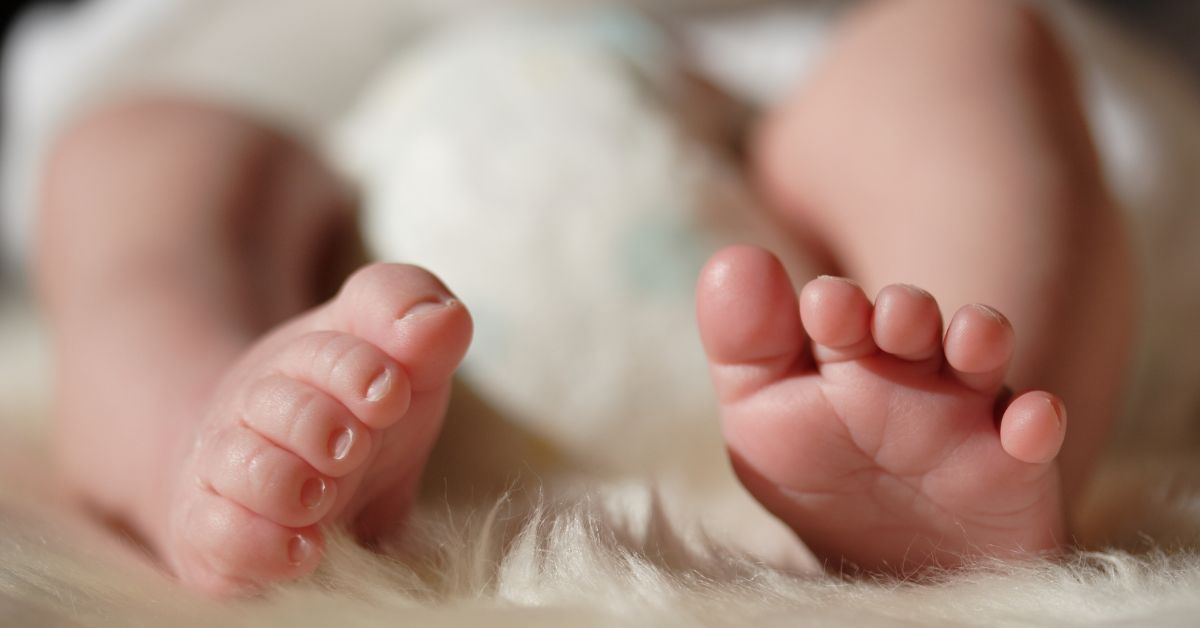
When a baby or toddler has a severe inward foot position, parents often worry that they may have missed the best time for treatment. This concern is understandable. Foot alignment conditions are often easier to address when a child is very young, and many parents only begin searching for answers after the curve becomes more noticeable.
The good news is that “too late” does not always mean treatment is no longer possible. The right approach depends on the child’s age, the cause of the pigeon-toed position, how flexible or rigid the foot is, and whether walking has already been affected.
What Does Severe Pigeon-Toed Mean?
Pigeon-toed feet, also called intoeing, describe a position where the feet turn inward instead of pointing straight ahead. In babies, this may happen because of metatarsus adductus, a condition where the front part of the foot curves inward while the heel remains closer to normal alignment.
A case may be considered more severe when:
- The foot curve is strongly visible
- The front of the foot cannot be gently straightened
- One foot looks much more affected than the other
- The condition does not improve over time
- The child’s standing or walking pattern is affected
- The foot looks stiff rather than flexible
Parents researching metatarsus adductus shoes for babies are often trying to understand whether early support, bracing, or other treatment may still help when the inward curve appears more serious.
Why Timing Matters in Treatment
A baby’s bones, joints, and soft tissues are still developing during the first months of life. This is why many pediatric foot conditions are easier to guide early. The younger the baby, the more adaptable the foot may be.
Early treatment may help:
- Guide the forefoot into better alignment
- Prevent the curve from becoming more fixed
- Reduce the need for more restrictive treatment later
- Support normal movement patterns
- Give parents clearer expectations
However, timing is only one factor. A flexible foot in an older baby may respond better than a rigid foot in a younger baby. This is why doctors do not look at age alone.
What Research Generally Shows About Severe Cases
Research and pediatric orthopedic guidance often separate metatarsus adductus cases by flexibility and severity. Mild, flexible cases are commonly monitored because many improve naturally. Severe or rigid cases are more likely to need treatment.
The main takeaway is simple: flexible cases may improve with observation or gentle guidance, while rigid cases often require more active correction.
Treatment may include:
- Observation for mild cases
- Gentle stretching when appropriate
- Corrective bracing or orthotic support
- Serial casting for more rigid cases
- Surgery only in rare, persistent cases
Severe cases are not automatically hopeless, but they do need proper evaluation. The longer a rigid foot remains untreated, the more difficult correction may become.
Flexible vs. Rigid: The Detail That Changes Everything
The most important question is often not “How old is my baby?” but “Can the foot still move?”
Flexible Severe-Looking Feet
Sometimes a baby’s foot may look strongly curved but still move easily when gently guided. These cases may still respond well to conservative treatment.
A flexible foot may:
- Move toward a straighter position
- Not cause discomfort when handled gently
- Show some improvement over time
- Respond to doctor-recommended stretching or bracing
Rigid Severe Feet
A rigid foot is more concerning because it resists movement. If the forefoot cannot be gently corrected, treatment may need to be more structured.
A rigid foot may:
- Stay curved even when handled gently
- Feel stiff or tight
- Show a deep inner crease
- Affect foot placement during standing
- Require casting or a more intensive correction plan
Parents should never force the foot into position. Flexibility should be assessed by a qualified healthcare provider.
Is Treatment Still Possible After the Newborn Stage?
In many cases, yes. Treatment may still be possible after the newborn stage, but the approach may change.
For a younger baby, a brace or early corrective device may be considered if the foot is still adaptable. For an older infant or toddler, the doctor may look more closely at walking, weight-bearing, and whether the foot position has become fixed.
The treatment decision may depend on:
- Baby’s age
- Severity of the curve
- Foot flexibility
- Whether walking has started
- Whether one or both feet are affected
- Previous treatment attempts
- Progress over time
The key is not to assume it is too late without an evaluation.
When Corrective Shoes or Bracing May Help
Corrective shoes or bracing may help when the child’s foot still has enough flexibility to be guided into better alignment. These devices are generally intended to support correction or maintain improvement, depending on the treatment plan.
A doctor may consider bracing when:
- The curve is persistent
- The foot is flexible or partially flexible
- Stretching alone is not enough
- The baby is still within an ideal treatment window
- The goal is to avoid or reduce more restrictive treatment
Corrective support should be properly fitted. Random shoes or braces purchased without medical guidance may not correct the right issue and can cause discomfort.
When Casting May Be Needed
Serial casting may be recommended for rigid or more severe cases. Casting works by gradually positioning the foot into improved alignment over time.
Doctors may consider casting when:
- The foot cannot be gently straightened
- The curve is severe
- The condition has not improved
- The child is older and the foot is becoming less flexible
- Bracing alone may not provide enough correction
Casting can be more inconvenient for parents, but it may provide stronger correction in cases where shoes or bracing are not enough.
Can Severe Pigeon-Toed Feet Affect Walking?
Some children with intoeing walk normally and experience no pain. However, severe or persistent cases may affect foot placement, balance, shoe wear, or walking pattern.
Parents may notice:
- Toes pointing inward while standing
- Frequent tripping
- One foot turning inward more than the other
- Uneven shoe wear
- Difficulty placing the foot flat
- Awkward running as the child grows
These signs do not always mean the child needs aggressive treatment, but they should be discussed with a pediatrician or orthopedic specialist.
Warning Signs That Need Evaluation
Parents should seek medical advice if they notice:
- A stiff or fixed inward curve
- A deep crease on the inner side of the foot
- No improvement over several months
- One foot much more affected than the other
- Pain or discomfort
- Difficulty standing or walking
- Worsening alignment over time
Early evaluation is still valuable even if the baby is no longer a newborn. It helps determine whether treatment is needed and which option is most appropriate.
What Parents Should Ask the Doctor
During an appointment, parents can ask:
- Is my baby’s case mild, moderate, or severe?
- Is the foot flexible, partially flexible, or rigid?
- Is the inward position coming from the foot, leg, or hip?
- Are corrective shoes or bracing appropriate?
- Would casting be more effective?
- How long would treatment take?
- What happens if we continue to wait?
- What signs should we monitor at home?
These questions can help parents understand whether the condition is still treatable and what level of care is needed.
Why Guessing Can Delay the Right Treatment
Some parents wait because they are told the condition may improve naturally. In mild, flexible cases, that may be true. The problem is that severe or rigid cases may not follow the same path.
Guessing can lead to:
- Delayed diagnosis
- Missed early treatment opportunities
- More rigid foot positioning
- Confusion about the best option
- Unnecessary worry
A professional evaluation helps separate cases that can be monitored from cases that need active treatment.
Final Thoughts
Severe pigeon-toed feet can feel frightening, especially when parents worry that treatment should have started earlier. But it is not always too late. The most important factors are the child’s age, the severity of the curve, and whether the foot is still flexible.
Mild and flexible cases may improve naturally, while severe or rigid cases may need bracing, corrective shoes, casting, or closer specialist care. The best next step is a proper medical evaluation so parents can understand the condition clearly and choose the right treatment path before the problem becomes harder to correct.