Baby Feet Turning Inward? A Friendly Guide to Spot and Treat Metatarsus Adductus
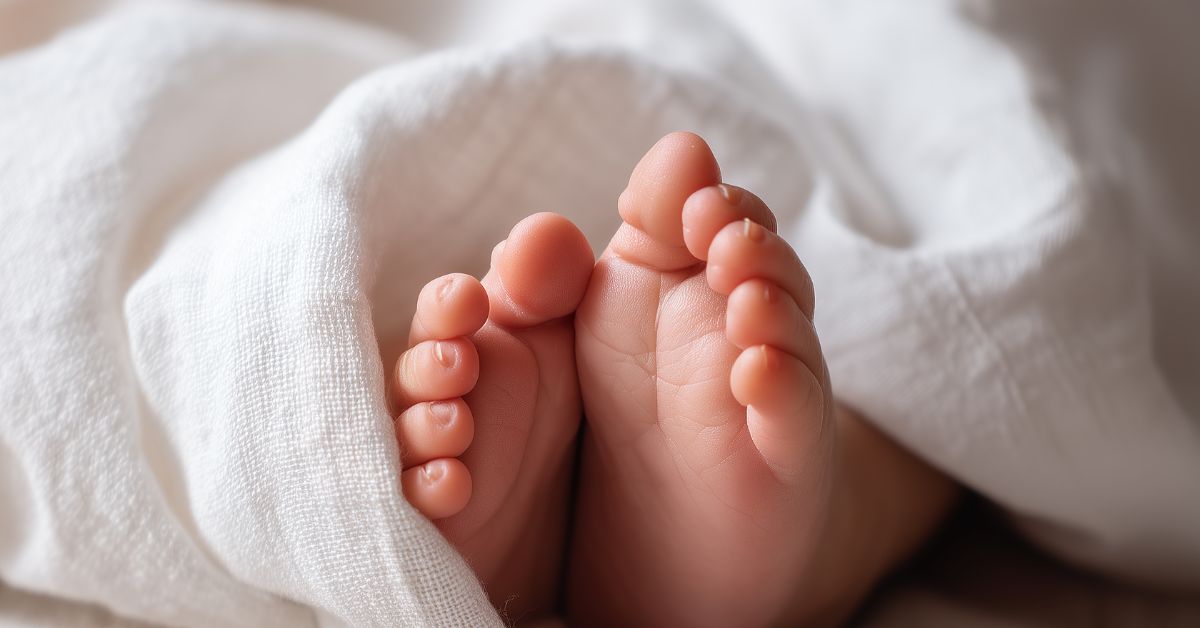
When a tiny foot points inward, caregivers often notice it first in diaper changes or those wobbly first attempts to stand, and the worry kicks in fast. The good news is that most inward-turning forefeet are flexible, common, and very treatable, especially when caught early and guided thoughtfully. Pediatric specialists see this pattern all the time and use simple checks to tell what’s flexible versus what needs a bit more help, which instantly lowers stress levels. With the right information, families can lean into calm, steady steps that support natural alignment and healthy milestones without losing sleep over every toe wiggle.
Metatarsus adductus in real life: what it looks like
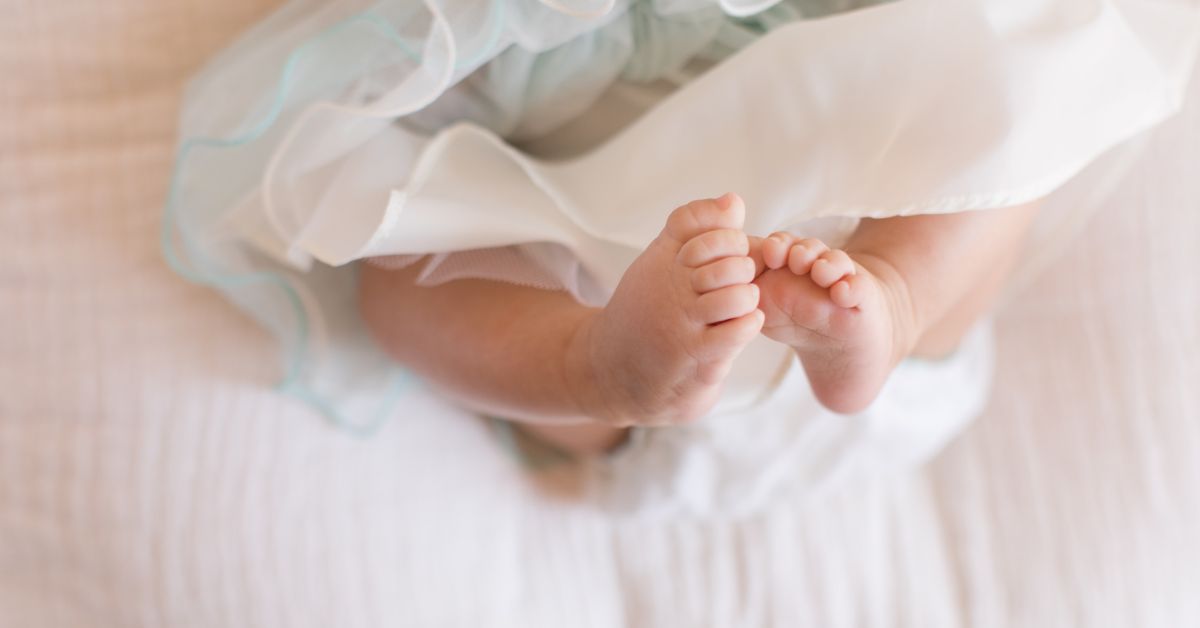
Metatarsus adductus shows up as the front half of the foot curving inward while the heel generally stays straight, making little footprints look like a gentle “C” from above. Many babies have feet that are quite soft and adaptable, so the curve may look dramatic in photos yet straighten easily with a light stretch, which is a reassuring sign. Clinicians often do a quick “V-finger” check at the forefoot to feel how easily it moves toward a straight line, and that easy give often points to a flexible type that improves with time. Seeing that inward curve for the first time can be startling, yet the pattern is familiar and frequently fades as the child grows, stands, and uses those curious toes day after day.
Caregivers commonly notice the curve more clearly when the baby relaxes after a bath, when muscles are warm and loose and the toes naturally curl. One foot may look more curved than the other, or both may share a similar inward angle, which can make early photos look asymmetrical even if function is normal. What truly matters is whether the foot is flexible and pain-free, and whether the curve is gradually improving across weeks and months of everyday play, because small, steady gains add up. If the foot flexes back to neutral with a gentle touch, that flexibility usually signals a friendlier path forward.
Parents sometimes search for a reliable, plain-English explainer and end up discovering helpful visuals and step-by-step options for metatarsus adductus in babies that put the whole picture in context. Resources that break down what “flexible” versus “rigid” really means can turn vague concern into a concrete plan, which feels empowering when decisions approach. Clear language, simple checks, and realistic timelines make this condition less mysterious, and that alone reshapes the day-to-day experience. With calm guidance, families often realize they already do half the helpful things without even trying.
Why it happens: womb position, family traits, and flexible bones
Inside the womb, space gets cozy near the finish line, and a curled forefoot can be a normal response to snug quarters, especially in first pregnancies or when the baby prefers one favorite position. The foot’s many soft tissues remember that curve at birth, much like a curl held by a hair tie, then gradually relax as kicking, stretching, and standing pour in new movement. Some babies bring a family pattern for flexible feet or mild curves, which blends with late‑pregnancy positioning to nudge the forefoot inward, creating that familiar “C” shape. It’s a story of soft structures adapting to tight real estate, then unwinding with use.
Newborn bones are like green branches-pliable, able to bend safely, and always changing-which explains why small daily motions can shift alignment meaningfully over time. Ligaments, capsules, and tiny muscles respond beautifully to routine stretching, skin-to-skin snuggles, and tummy-time pushes that wake up the arches. Because these tissues adapt so quickly in the first year, timely attention often goes a very long way, turning worry into a practical rhythm. This growth-friendly window is exactly why specialists love early observation and playful movement.
There’s also the difference between a flexible foot and a stiffer, less cooperative one, and that sliding scale guides what kind of help makes sense. Mild curves that unwind easily might just need watchful waiting plus simple at-home moves, while firmer curves benefit from guided stretches or short casting plans. The right fit is rarely “one-size-fits-all,” and that’s good news, because care can be tailored to the baby’s exact mix of flexibility, muscle tone, and response. Matching the plan to the foot’s behavior keeps treatment kind, minimal, and effective.
Home stretches and positioning: gentle moves that help
Daily diaper changes become the perfect time for a soft, playful stretch that turns support into routine without adding more to a busy day. A light hand at the forefoot, guiding it toward straight while keeping the heel steady, invites the curve to unwind bit by bit, never forcing through tension. Think “butterfly pressure” and friendly repetition-short, frequent moments beat occasional hard efforts every single time, especially in tiny, responsive feet. When the baby smiles through it, the foot often learns faster.
Tummy time invites the big toe to press the mat, wake up the arch, and fire those stabilizer muscles that love to partner with natural alignment. Positioning toys a little off-center encourages reaching and weight shifting, teaching both sides to share the work and improving foot placement from the hips down. Small tweaks like rolling a towel under the ankle during play to cue straightness can become quiet game changers, especially when layered into everyday routines. Consistency, not intensity, writes the success story here.
Foot-friendly shoes matter later, but for early months barefoot play rules the day, because toes need freedom to spread, grip, and explore. Grippy socks or soft booties are fine in cool rooms, as long as the forefoot can still move toward straight without a fight. Anything that squeezes the front of the foot risks rehearsing the curve instead of relaxing it, so gentle space wins. Comfort plus freedom equals progress.
Simple routine caregivers often follow:
- At each diaper change, guide the forefoot toward straight for 10-15 seconds, repeating 3-5 times with easy breaths.
- Build in 3-5 tummy-time mini‑sessions daily, nudging reach and push‑offs toward the less active side.
- During story time, bicycle the legs slowly, finishing with a soft forefoot stretch and a relaxed ankle wiggle.
When to see a clinician-and what to expect at the visit
If the foot resists gentle stretches, if shoes later seem to trip on the inside edge, or if walking looks uneven past the typical wobbly stage, a pediatric check brings clarity. A clinician will watch how the forefoot moves, assess muscle balance, and compare both sides while noting hips and knees, because alignment talks to the whole leg. That first visit often ends with a simple plan and a realistic timeline, which can instantly calm the swirl of what‑ifs and set expectations that feel doable. Clear next steps beat guesswork every time.
The exam is usually hands-on and friendly-no needles or machines-just careful observation and mobility checks that babies tolerate well. Some providers show caregivers exactly how to position the hand for stretches, which levels up home care in minutes. Seeing and feeling the right technique on a real foot turns abstract instructions into muscle memory, so the routine fits naturally into daily life. Confidence grows when the steps feel easy to repeat.
In certain cases where the curve stays stubborn, short series of soft casts or a flexible brace can guide the forefoot toward neutral, then hold the gains while tissues adapt. Casting today is lighter and more precise than many imagine, often paired with playful breaks and skin checks to keep comfort front and center. Progress is usually tracked in weeks, not years, and every small win shows up in photos, footprints, and steadier steps, which makes the process encouraging. The goal is gentle teamwork, not a wrestling match.
Braces, shoes, and casting: what the research says now
Most babies with flexible curves improve with time, stretches, and smart positioning, and clinicians reserve devices for feet that need a nudge or two beyond home care. When braces or a short casting series is used early, the forefoot often learns a straighter “resting memory,” and then everyday play does the rest. Recent care trends favor the least invasive path that still delivers steady change, because comfort supports consistency, and consistency makes change stick. The art is scaling help to the foot’s response, not pushing past it.
Here’s a quick look at recent observational snapshots that families routinely ask about, focusing on improvement rates and timelines rather than rigid one-size-fits-all promises. Numbers vary slightly across clinics and regions, but the general arc is strikingly consistent for mild-to-moderate curves. Flexible feet respond fast; firmer feet respond with a bit more guidance; and surgical options remain rare and carefully selected, typically after other routes are explored. The trajectory tends to be encouraging, especially with early attention.
To make these differences easier to compare at a glance, the table below summarizes common care approaches, typical timing, expected improvement, and what caregivers often notice.
| Care approach | Typical use window | Reported improvement trend | Notes caregivers notice |
|---|---|---|---|
| Observation + home stretches | Birth to 6-12 months | High improvement for flexible types within months | Smoother footprints, fewer inside-edge trips |
| Short casting series | 6 weeks to 4 months (varies) | Rapid alignment gains in stiffer curves | Weekly tweaks; photo progress is clear |
| Flexible brace/orthosis | After casting or for mild daytime guidance | Helps “hold” gains during growth spurts | Comfort-focused fit encourages use |
| Footwear guidance | Pre-walkers to early walkers | Supports natural stride once standing | Wide toe box, flexible sole, good grip |
From this table, it’s clear that flexible curves usually respond to simple home care first, while stiffer curves benefit from short casting or bracing.
While no two feet share the exact same timeline, the broad pattern is consistent: start simple, step up only if needed, and ride momentum once the forefoot finds neutral. Progress photographs, short notes after diaper-time stretches, and relaxed follow-ups create a reliable feedback loop that keeps the plan on track, making adjustments easy when growth surges arrive. When the approach stays gentle and responsive, gains usually hold beautifully. That’s the heart of modern care: light touch, clear feedback, steady wins.
Tummy time, sleep positions, and daily habits that support straightening
Sleep positions matter less than daytime movement, yet laying a baby on alternating sides for supervised naps can balance how the hips and feet rest. During awake time, aim toys just off the midline so reaching prompts subtle hip rotation and ankle alignment practice across both legs. These small, repeatable choices turn ordinary hours into quiet therapy, which compounds faster than occasional intense efforts, especially in fast-growing babies. Balance is the goal, not perfection.
As standing arrives, choose surfaces that give a little-like a play mat-so toes can engage and correct with micro-adjustments that train stable arches. If a foot tends to roll inward during cruising, placing a light sticker dot on the big toe as a playful target invites better tracking without heavy cues. Making alignment a game keeps spirits high and muscles learning, and it lowers the chance of battles over “exercises” that feel like chores, because joy drives repetition. Repetition, in turn, shapes tissues.
When shoes enter the chat, the best picks let feet move the way they were designed-lightweight, flexible soles; wide toe boxes; and breathable materials that don’t pinch the forefoot. Fancy features matter less than roomy comfort and safe traction that invite natural toe splay and push-off. Shoes are partners, not pilots; the foot should still lead the way with freedom to adapt and grow, especially through the first steps. If in doubt, lighter and roomier usually wins.
Quick home cues caregivers often keep in mind:
- Alternate carry sides and nursing holds to share pressure patterns across hips and feet.
- Use play that invites reaching across midline to wake stabilizers on both sides.
- Favor barefoot time on safe surfaces to encourage natural grip and toe spread.
- Choose soft, flexible footwear only when needed for protection, not correction.
A calm wrap-up on metatarsus adductus in babies
Most inward-curving forefeet lean toward a friendly outcome, especially when caregivers pair tiny daily stretches with playful movement and keep an eye on steady change. Clear guidance from a pediatric clinician tailors help to the foot’s flexibility, which keeps the plan light and effective while growth does much of the work. Step by step, the curve softens, confidence returns, and those small footprints tell the story-more centered, more stable, and ready for the next adventure, with comfort leading the way. In short, calm, consistency, and kind cues carry the day.